

EPISODE 78: Strong Bones for Midlife Women: Building Strength, Preventing Fractures, and Aging Well
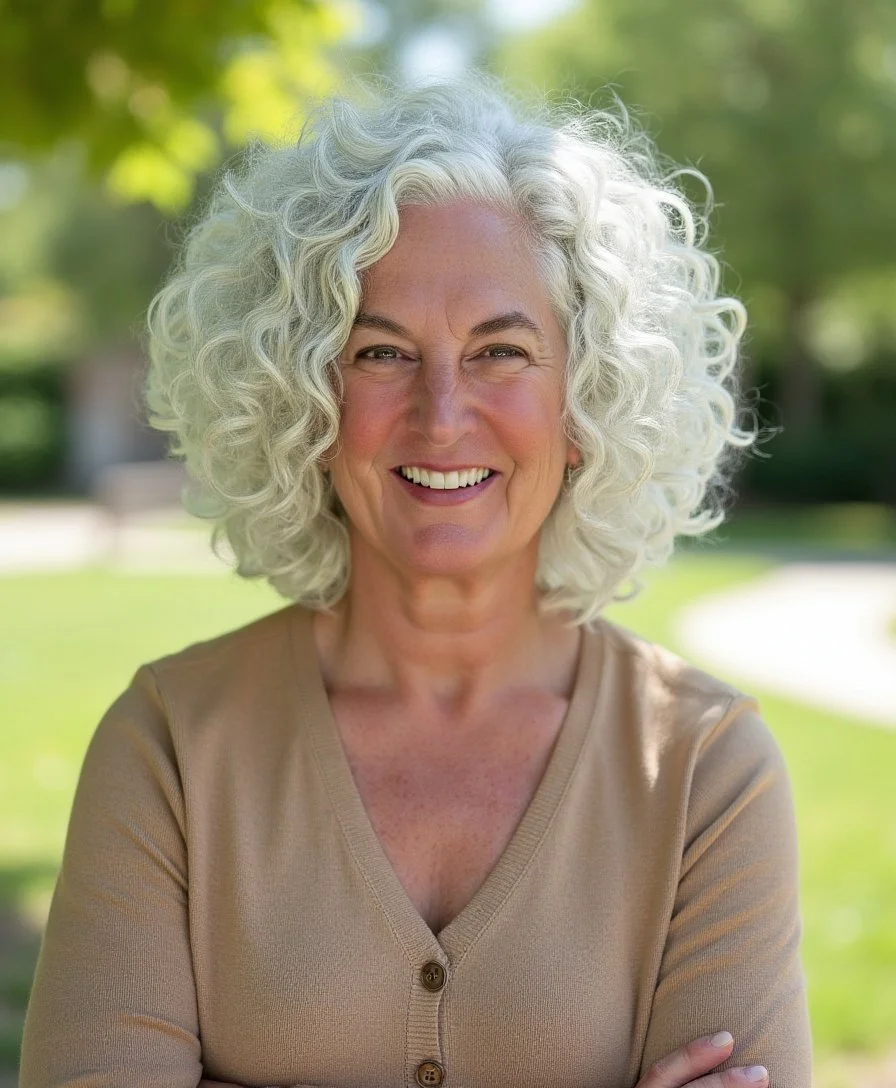
Lisa Hamilton, PT, DPT, NBC-HWC
On this episode of Bone Talk, BHOF CEO Claire Gill talks with physical therapist and health coach Lisa Hamilton, PT, DPT, NBC-HWC about why midlife is such a critical window for bone health. Their conversation focuses on how women can take proactive steps to build strength, prevent fractures, and stay active and independent as they age.
One of the most important themes is a mindset shift. Midlife is not a period of decline, it’s an opportunity. While bone loss does accelerate during perimenopause and menopause due to declining estrogen, this stage of life is also when the actions you take can have the greatest long-term impact. Rather than waiting for a diagnosis or a fracture, this is the time to build habits that support strength and resilience.
Lisa emphasizes that strength training plays a central role in maintaining bone density, but it’s not a one size fits all approach. Bone responds to load, so progressive resistance training is key, but it has to be tailored to the individual. What matters most is consistency and creating a routine that fits into real life. Muscle health is equally important, as muscle and bone work together to support movement, balance, and overall function.
The conversation also highlights the importance of posture and balance, which are often overlooked. Poor alignment can increase fall risk and place unnecessary stress on the spine. Building a strong foundation with proper posture, safe movement patterns, and balance training is just as important as lifting weights when it comes to preventing fractures.
For many women, fear becomes a barrier after a diagnosis of osteoporosis or osteopenia. Lisa acknowledges that this fear is real, but it shouldn’t lead to avoidance of movement. Instead, the goal is to rebuild confidence gradually, learning how to move safely while still staying active. Activities don’t have to be eliminated, they can often be modified. Whether it’s yoga, golf, or exploring something new like Tai Chi, movement should remain a consistent and enjoyable part of life.
Beyond exercise, Lisa takes a whole person approach to bone health. Nutrition, including adequate protein, calcium, and vitamin D, plays a key role. Sleep and recovery are essential for the body to function properly, while chronic stress can negatively impact overall health. Even social connection matters, as staying engaged with others can improve both physical and emotional wellbeing.
One of the biggest takeaways is that small, consistent actions can matter more than extreme efforts. Simple habits like moving every day, practicing good posture, or doing functional movements like sit to stands can build strength over time. It doesn’t have to be complicated to be effective.
Key Takeaways
Midlife is a critical window to build and protect bone health, not a time to wait for problems to appear
Strength training and muscle health are essential, but programs should be personalized and sustainable
Posture, balance, and safe movement patterns are just as important as building strength for preventing fractures
Fear after diagnosis is common, but movement can be adapted and confidence rebuilt over time
Nutrition, sleep, stress management, and social connection all play a meaningful role in bone health
Consistency with simple daily habits is more effective than short bursts of intense effort
Midlife offers a powerful opportunity to reset and refocus. By starting where you are and building sustainable habits, it’s possible to create a strong foundation for healthy aging and a better quality of life in the years ahead.

